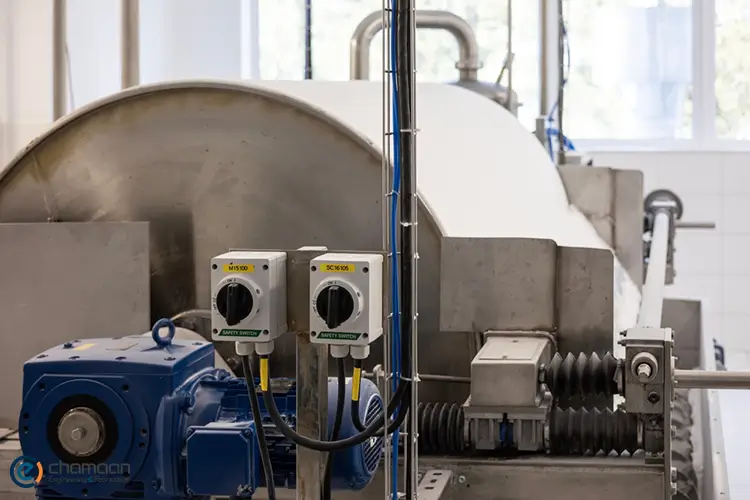
An electrostatic dehydrator is an industrial separation vessel designed to remove emulsified water from crude oil using a high-voltage electric field. This technology improves Crude Oil Dehydration package by promoting the coalescence of small water droplets into larger droplets that settle under gravity. Unlike conventional gravity separators, an Electrostatic Oil Dehydrator can effectively treat stable […]
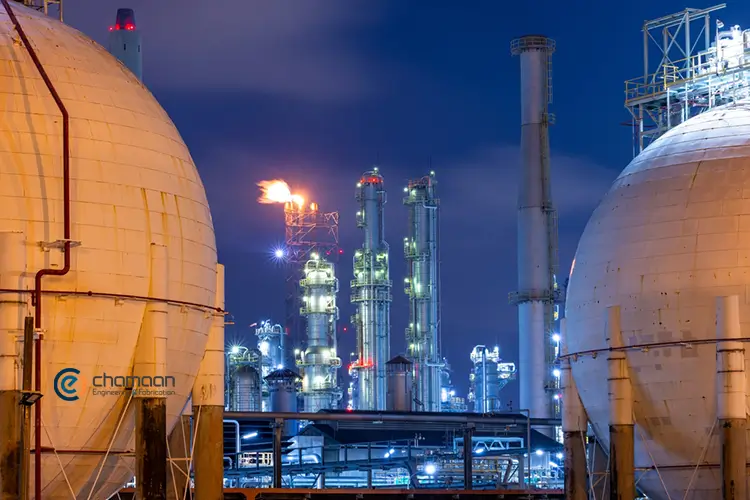
An Oil and Gas Separator is a pressure vessel used to separate the different phases of fluids produced from oil and gas wells. These fluids often contain natural gas, crude oil, produced water, and solid particles. Separating these components is an essential step in upstream production because each phase requires different treatment before entering downstream […]
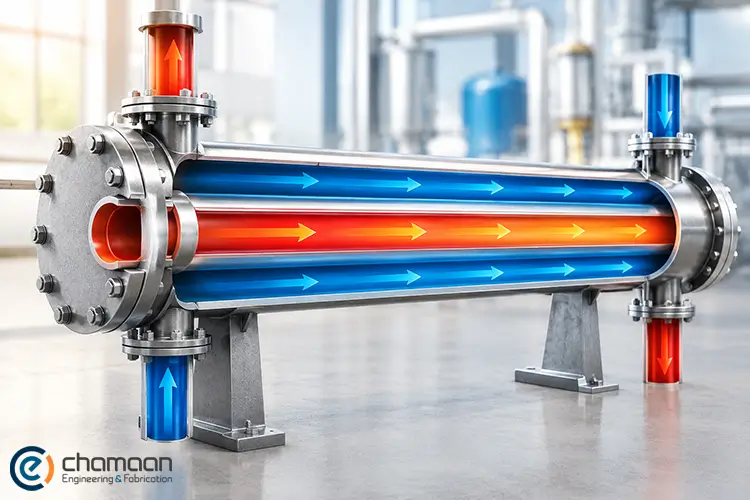
A double pipe heat exchanger transfers heat between two fluids flowing through separate passages, making it suitable for industrial heating, cooling, and heat recovery. Its simple construction, flexible configuration, and ability to accommodate demanding operating conditions make it a practical option for selected process applications. Understanding its working principle, design requirements, advantages, and limitations helps […]
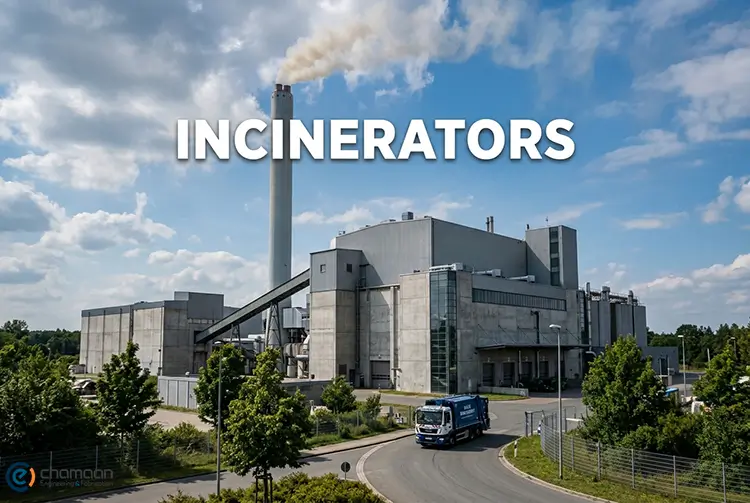
Incinerators are industrial systems designed to treat waste through controlled, high-temperature combustion, reducing its volume and transforming combustible materials into ash and exhaust gases. They are used in healthcare, manufacturing, agriculture, and municipal waste management. Understanding how incinerator furnace work, the different technologies available, and their environmental limitations helps operators select suitable equipment and manage […]
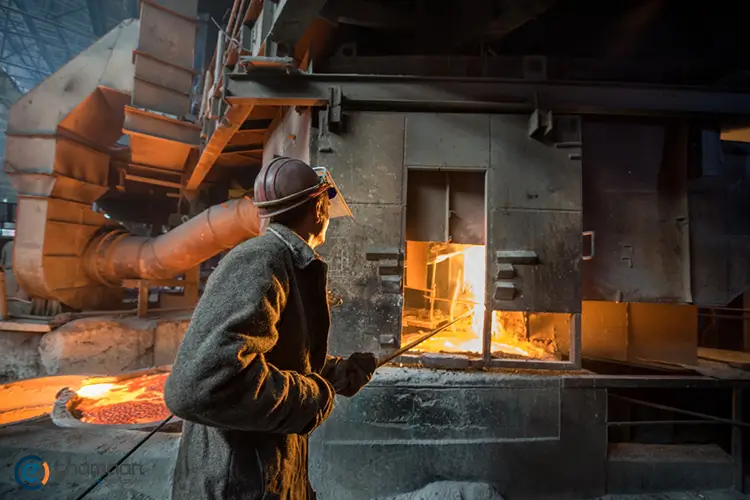
Industrial furnaces vary by heat source, heat-transfer method, operating mode, temperature range, atmosphere, and process. Common types of furnaces include fired, electric, direct-fired, indirect-fired, batch, continuous, heat-treatment, melting, calcination, incinerators, and reformer furnaces. The right choice depends on factors such as temperature, process requirements, capacity, energy source, material handling, atmosphere, and emissions. If you’re looking […]
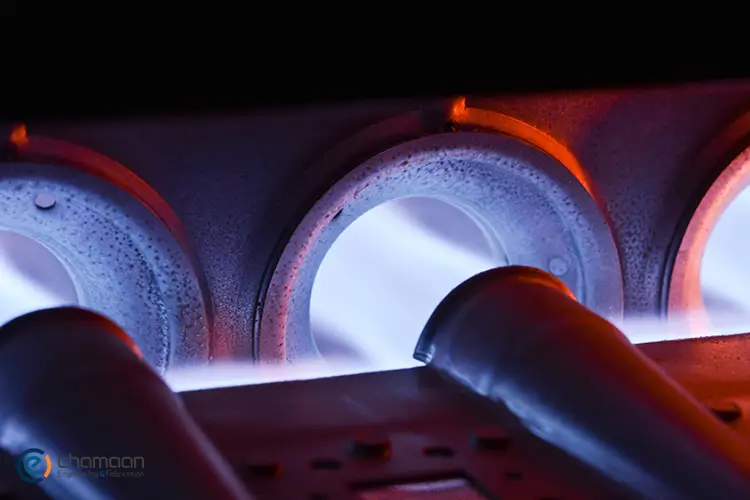
Gas furnaces convert natural gas or propane into heat for residential and commercial buildings. Understanding their components, AFUE ratings, and fuel requirements helps property owners and facility managers select suitable heating equipment while controlling energy consumption. What Is a Gas Furnace? A gas furnace burns fuel to heat air, which a blower distributes through the […]