
Incinerators are industrial systems designed to treat waste through controlled, high-temperature combustion, reducing its volume and transforming combustible materials into ash and exhaust gases. They are used in healthcare, manufacturing, agriculture, and municipal waste management. Understanding how incinerator furnace work, the different technologies available, and their environmental limitations helps operators select suitable equipment and manage waste in compliance with applicable regulations.
What Are Incinerators?
Incinerators are specialized combustion systems that use controlled heat and oxygen to treat combustible waste. The process, known as waste incineration, converts organic materials into combustion gases, residual ash, and thermal energy. Unlike open burning, industrial incineration takes place inside an engineered chamber where operating conditions can be monitored and emissions can be managed.
The results depend on the waste composition, moisture content, combustion temperature, air supply, and residence time. Some systems use a secondary combustion chamber to promote further oxidation of combustible gases. The resulting flue gas may then pass through dedicated treatment equipment before discharge.
Incinerators do not eliminate every waste-management concern. Non-combustible materials may remain in the ash, while certain pollutants can form during combustion. Effective operation therefore requires suitable equipment, process control, and appropriate handling of both emissions and solid residues.
What Are Incinerators Used For?
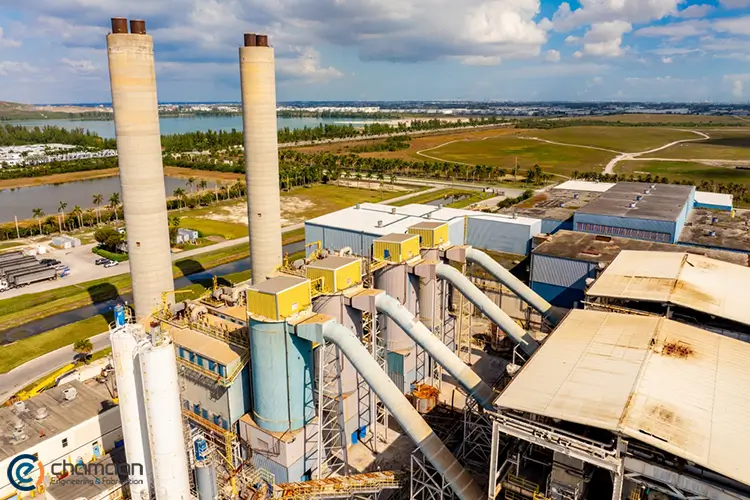
Incinerators are types of furnaces that used to treat selected waste streams that require controlled destruction, volume reduction, or specialized disposal. Their suitability depends on the waste’s chemical composition, physical properties, and applicable environmental regulations.
Medical and Clinical Waste
Healthcare facilities use specialized incinerators to treat certain infectious waste, contaminated dressings, and other approved clinical materials. Proper combustion can destroy pathogens and reduce residual waste volume. However, sharps, pharmaceutical waste, and other regulated materials require appropriate handling and may not all be suitable for the same system.
Industrial and Hazardous Waste
Industrial facilities may use incinerators to treat selected organic residues, contaminated materials, and process waste. Hazardous waste requires careful assessment of its composition, combustion behavior, and potential emissions. The equipment and exhaust treatment system must be designed for the specific waste stream and relevant regulatory requirements.
Agricultural and Animal Waste
Approved incineration systems can manage certain animal carcasses, poultry waste, and agricultural by-products. Controlled treatment can reduce the risks associated with storing decomposing material. Operators must follow applicable animal by-product rules and local requirements for installation and operation.
Municipal and Commercial Waste
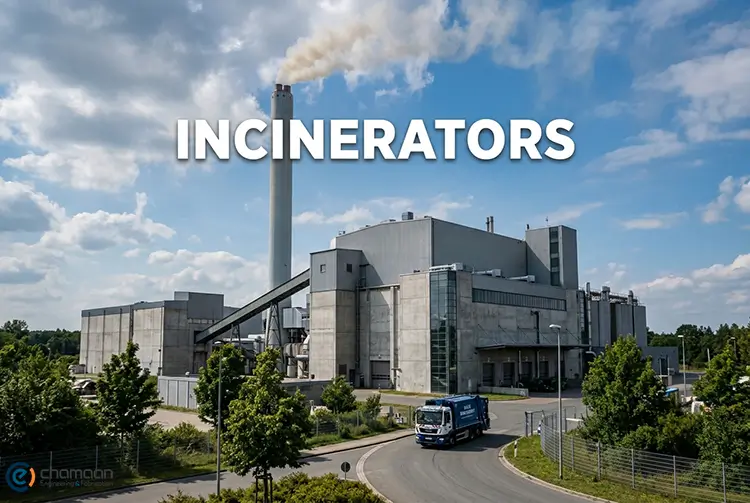
Municipal and commercial facilities use large-scale incineration to reduce the volume of suitable residual waste that remains after recycling and sorting. Some plants also recover heat to produce steam or electricity.
Not every waste stream should be incinerated. Recycling, material recovery, and other treatment methods may be more appropriate for particular materials.
How Do Incinerators Work?
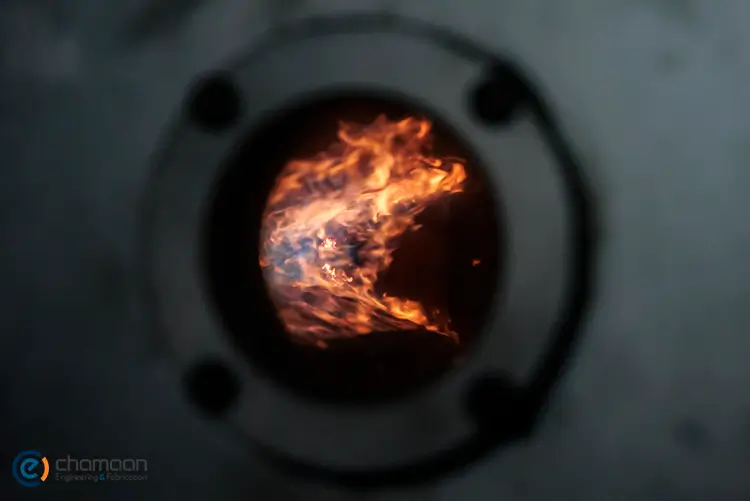
Incinerators work by exposing suitable waste to controlled combustion conditions, then managing the resulting gases and solid residues. The exact sequence depends on the equipment design, but a typical system follows five main stages:
- Waste loading: Waste enters the primary chamber through a suitable loading mechanism. Feed preparation may be necessary to maintain stable combustion.
- Primary combustion: Burners and controlled airflow establish the required operating conditions. Organic material breaks down and produces combustion gases and ash.
- Secondary combustion: In systems equipped with a secondary chamber, combustible gases receive additional treatment under specified temperature and residence-time conditions.
- Flue-gas treatment: Depending on the waste and applicable standards, treatment equipment may remove particulate matter, acid gases, and other pollutants before discharge.
- Ash handling: Bottom ash and collected fly ash are removed and assessed for appropriate handling, recovery, or disposal.
Operating temperatures and residence times must be selected for the particular waste and regulatory requirements. A secondary chamber or filtration system alone does not guarantee the removal of every pollutant. Reliable performance also depends on combustion control, equipment maintenance, and emissions monitoring.
What Are the Main Types of Incinerators?
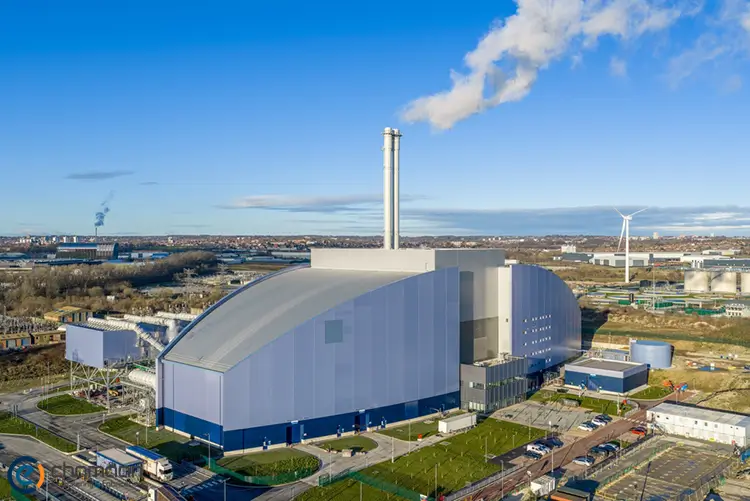
The main types of incinerators differ in chamber design, waste movement, heat transfer, and the physical characteristics of the materials they process. Four widely recognized designs are fixed-chamber, rotary-kiln, fluidized-bed, and moving-grate systems.
- Fixed-Chamber Incinerators: These systems burn waste in stationary chambers and are commonly used for defined waste streams at small to medium scales. Loading methods and operating cycles vary by design.
- Rotary Kiln Incinerators: A rotating, refractory-lined cylinder moves and mixes waste during treatment. These systems can handle selected solid, liquid, and complex industrial waste streams when designed for their properties.
- Fluidized-Bed Incinerators: Air suspends a bed of hot granular material, promoting heat transfer and mixing. They are suitable for prepared waste with appropriate particle size and physical characteristics.
- Moving-Grate Incinerators: A moving grate transports waste through successive combustion zones. This design is widely used in large municipal waste-to-energy facilities.
These categories describe different combustion technologies, and their applications can overlap. Selecting an appropriate system requires evaluating the feed material, required throughput, combustion characteristics, and emissions-control requirements. The term incinerator furnace generally refers to the combustion equipment itself, rather than every component of a complete waste-treatment installation.
Benefits and Limitations of Incinerators
Incinerators can reduce waste volume, support the controlled treatment of selected hazardous materials, and recover useful energy when the facility is designed for that purpose. However, their economic and environmental performance depends on the waste stream and the complete treatment system.
Key benefits include:
- Waste-volume reduction: Combustion reduces the amount of material requiring further handling or disposal.
- Controlled waste treatment: Suitable systems can treat specific infectious or industrial waste streams under defined operating conditions.
- Energy recovery: Heat from combustion can support steam generation or other energy applications in appropriately designed facilities.
Important limitations include:
- Operating costs: Fuel, maintenance, refractory replacement, emissions monitoring, and pollution-control equipment can increase lifecycle costs.
- Residual waste: Bottom ash and fly ash may require testing and specialized disposal.
- Environmental considerations: Combustion produces exhaust gases that require appropriate treatment and monitoring.
Incineration should therefore be assessed alongside recycling, waste prevention, and other treatment options. The lowest purchase price does not necessarily indicate the most economical long-term solution.
Environmental Impact and Emission Control
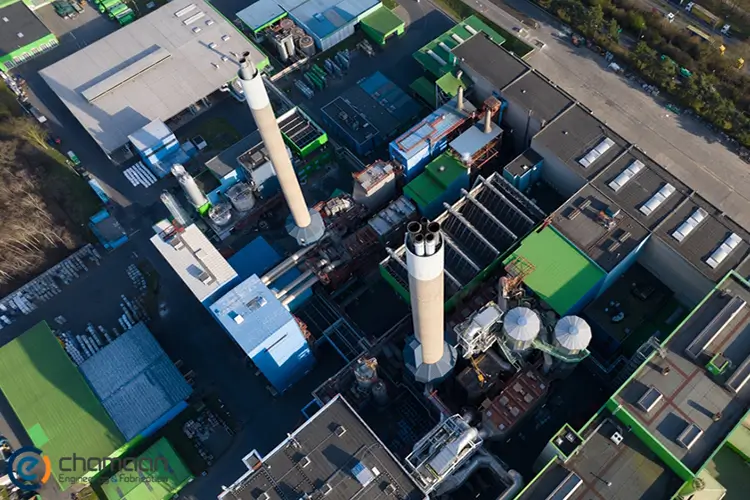
Incinerators can release harmful pollutants if combustion and exhaust treatment are inadequately controlled. Potential emissions include particulate matter, nitrogen oxides, sulfur dioxide, hydrogen chloride, carbon monoxide, certain metals, and dioxins and furans. The pollutants of concern depend on the waste composition and operating conditions. The U.S. Environmental Protection Agency (EPA) identifies these pollutants among those addressed by its commercial and industrial solid-waste incineration standards.
Effective emission control may involve particulate filters, scrubbers, sorbent injection, combustion controls, and continuous or periodic monitoring, depending on the installation. No single technology removes every pollutant under all operating conditions.
Ash also requires attention. Bottom ash and fly ash have different physical and chemical characteristics, so their handling and disposal must follow appropriate testing and regulatory requirements. Environmental performance depends on the entire installation, not simply the combustion chamber.
How to Choose the Right Incinerator
Choosing the right incinerator starts with a detailed assessment of the waste stream, required capacity, applicable regulations, and total operating costs. A suitable design must handle the actual feed material rather than rely solely on its nominal throughput rating.
Evaluate these factors before selecting equipment:
- Waste characteristics: Identify the composition, moisture content, heating value, particle size, and potentially hazardous constituents.
- Processing capacity: Establish the required daily throughput, operating hours, and expected variation in waste generation.
- Combustion technology: Compare chamber configurations and determine whether batch or continuous operation suits the application.
- Fuel and energy requirements: Assess auxiliary fuel consumption, heat recovery potential, and overall energy efficiency.
- Emission-control systems: Confirm that the proposed design can meet the applicable discharge limits and monitoring requirements.
- Ash management and maintenance: Account for residue handling, refractory service, spare parts, operator training, and long-term maintenance.
Industrial facilities should also distinguish waste incinerators from other thermal process equipment. For example, gas furnaces and other furnaces are used for specific heating and process duties; they are not automatically suitable for waste destruction. Similarly, a Steam reformer serves a different process purpose from an incinerator.
In oil and gas facilities, auxiliary process systems may also be relevant to the wider plant design. A chemical injection package supports controlled chemical dosing, while a Dehydration package removes water from process streams. A Desalter package reduces salt and associated impurities in crude oil. These systems perform separate functions and should not be confused with waste-incineration equipment.
Conclusion
Incinerators provide a controlled method for treating suitable waste, reducing its volume, and potentially recovering energy. Their effectiveness depends on selecting the right combustion technology, maintaining appropriate operating conditions, and controlling emissions and residual ash. For industrial projects, careful engineering and regulatory assessment are essential before equipment selection.
Chamaan Engineering and Fabrication Company designs and manufactures process equipment for the oil, gas, and petrochemical industries. Contact our team to discuss your process-equipment requirements and identify an appropriate engineering solution.